
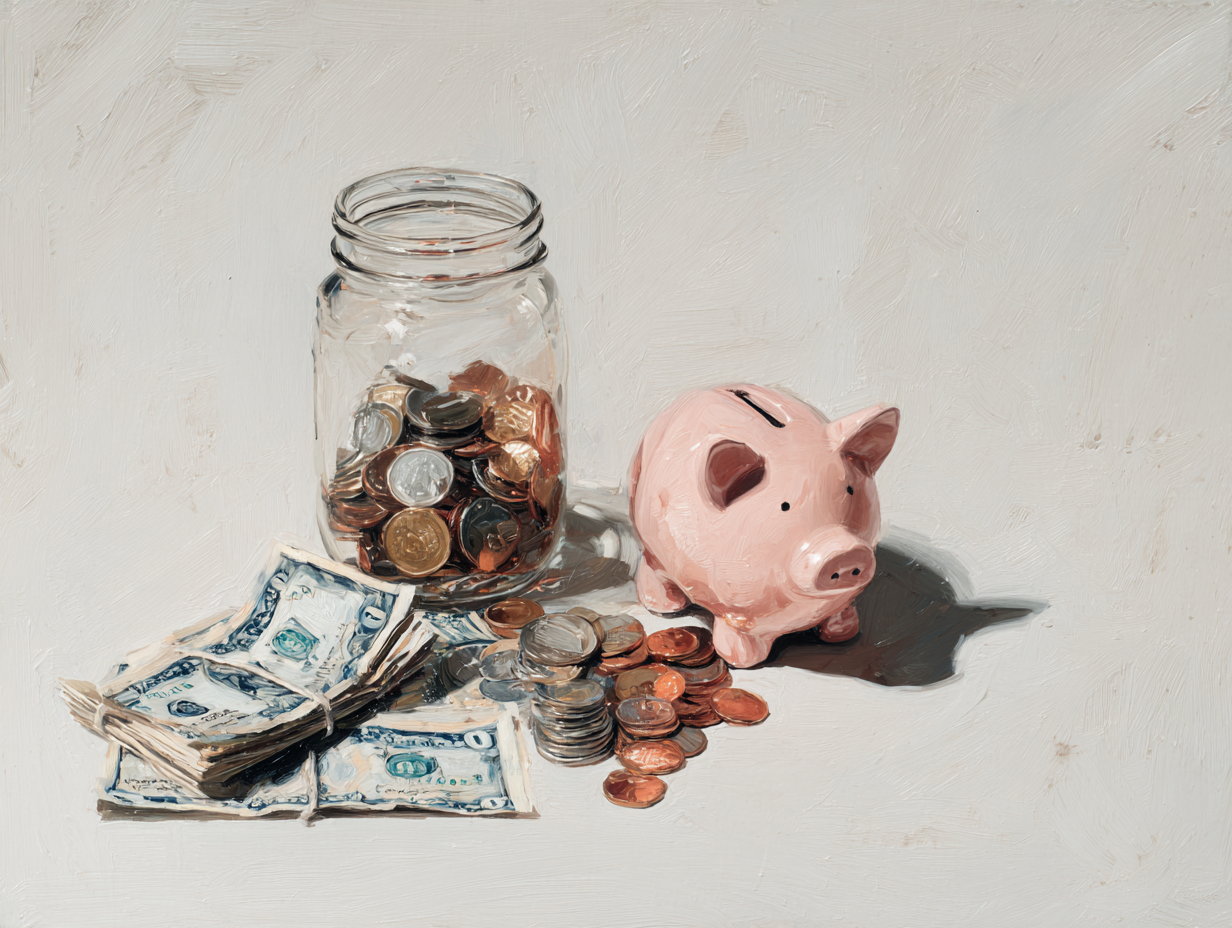
The everyday money leaks most people miss
Small, everyday spending choices like that extra coffee or app subscription silently chip away at your savings without raising any red flags. These routine habits add up over weeks and months, turning minor indulgences into major financial leaks. Before you know it, hundreds of rupees vanish unnoticed, derailing your bigger goals like emergencies or investments. Track these small decisions to reclaim control and watch your savings grow steadily.
Small expenses that snowball over time
Daily coffee runs, quick office lunches, and those spur-of-the-moment buys seem harmless at the time, but they quietly pile up into lakhs over the years. What starts as Rs.100-200 daily can easily become Rs.50,000-70,000 annually without you noticing. These small leaks drain your savings potential, leaving less for real goals like vacations or investments. Cut back smartly on just a few habits, and watch thousands return to your pocket each month.
Social spending that goes unchecked
Frequent dining out, picking up group bills, or over-gifting to friends and family might feel generous in the moment, but they steadily strain your monthly cash flow. These social habits add up quickly—Rs.2,000 here, Rs.5,000 there—leaving less for essentials and savings goals. Without realizing it, you’re prioritizing short-term fun over long-term financial health. Set gentle limits on these expenses to free up money for what truly matters.
No budget, no visibility
Even high-income earners often struggle to control expenses and build real wealth without a clear spending plan. Money slips away on unplanned buys, lifestyle creep, and forgotten subscriptions, leaving little for savings or investments. A simple budget acts like a financial GPS, showing exactly where your rupees go each month. Start tracking today to turn income into lasting wealth instead of lifestyle expenses.
Skipping emergency savings has a cost
Unexpected medical emergencies or sudden job losses often catch people off guard, forcing them to turn to costly short-term loans like credit cards or personal loans. These high-interest debts pile on extra charges during already tough times, making recovery even harder. Without an emergency fund of 6-12 months’ expenses, you’re vulnerable to this financial trap. Build that safety net now to handle life’s shocks without breaking the bank.
Delaying retirement savings hurts compounding
Delaying retirement savings robs you of precious years where compounding could multiply your money many times over. Starting at 25 instead of 35 can double your final corpus through the magic of interest on interest. Every year you wait, you’re handing free money to your future self that never arrives. Begin small today—your older self will thank you for those early, steady contributions.
Credit card balances inflate expenses
High-interest credit card purchases or easy EMIs turn everyday buys like gadgets or vacations into long-term money traps. That Rs.50,000 smartphone balloons to Rs.80,000+ with 2-3% monthly interest eating your budget for years. What feels affordable now becomes a silent debt dragging down your savings and goals. Pay in full or save up first to avoid letting high rates steal your financial future.
Fees, taxes and lifestyle inflation add up
Hidden investment charges, overlooked bank fees, and creeping lifestyle expenses quietly erode your hard-earned returns over time. That 1-2% annual fee on mutual funds or credit card charges can shave off lakhs from your wealth after 10-15 years. Meanwhile, upgrading to fancier cars or dining out more pulls money away from compounding investments. Trim these silent leaks to keep more of your money working for you, not against you.
Simple course corrections that work
Tracking expenses reveals hidden leaks, automating savings ensures money moves before you spend it, and tackling high-cost debt frees up cash flow immediately. These simple habits compound over time, turning average finances into strong wealth-building momentum. Start with a basic app for tracking, set up auto-transfers to investments, and prioritize paying off credit cards first. Small consistent actions today lead to financial freedom tomorrow.